Español
 Català
 Français
 Italiano
 Portuguese
 Deutsch
 中文
 한국어
 日本語

Best museums in Barcelona: what to see and where to find them
Discover the best museums in Barcelona, with details on what to see, locations, and their collections spanning art, history, design and architecture.
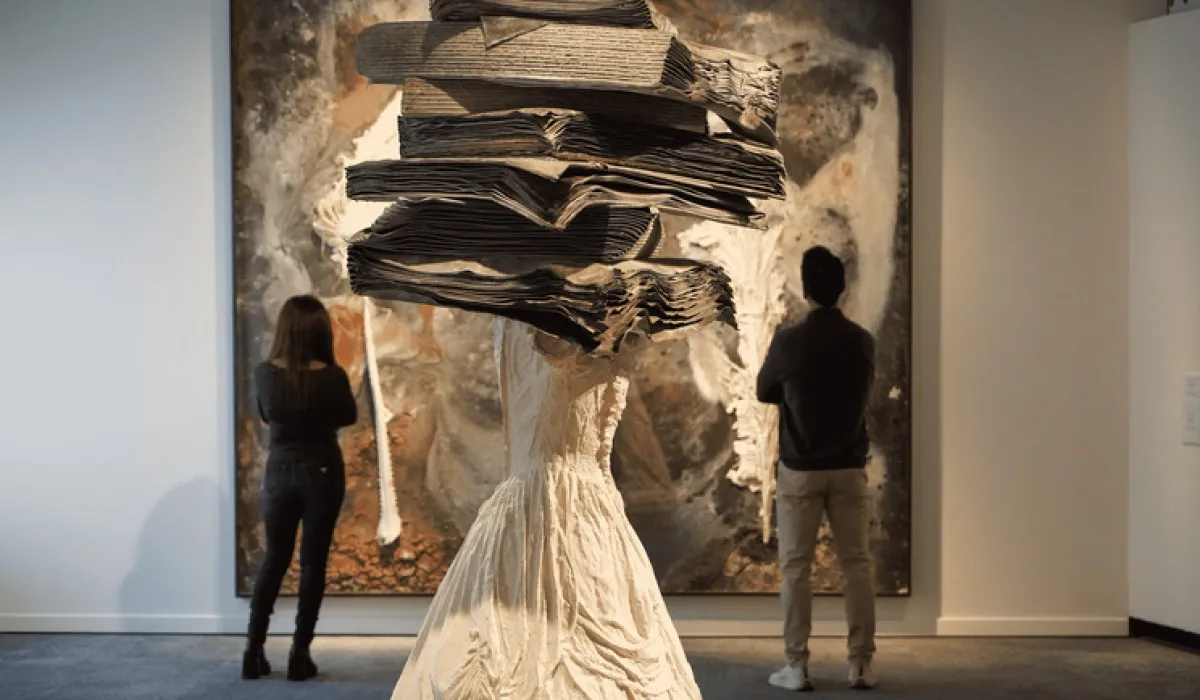
The museums in Barcelona stand out for the diversity of their collections and heritage. They offer a journey through different periods in the history of art and the city, as well as an introduction to the work of renowned figures such as Picasso, Miró and Gaudí. Alongside its major art and history museums, Barcelona also has numerous historic buildings that form part of the museum experience.
This selection of the best museums in Barcelona brings together some of the city’s most outstanding collections, with information on what they contain, where to find them and the main reasons to include them in a cultural itinerary around Barcelona.
Barcelona’s leading museums
National Art Museum of Catalonia (MNAC)
Housed in the Palau Nacional on Montjuïc, the MNAC holds one of Catalonia’s most important art collections. Its displays span an extensive period, from the Middle Ages to the 20th century.
One of the museum’s main attractions is its Romanesque art collection, particularly the groups of mural paintings from churches in the Pyrenees. Highlights include the paintings from the apse of Sant Climent de Taüll and the Batlló Majesty.
The museum also introduces visitors to Catalan Gothic art, the Renaissance and the Baroque, with works by El Greco and Goya, as well as modern Catalan art, with artists such as Ramon Casas and Santiago Rusiñol.
Location: Palau Nacional, Parc de Montjuïc
Picasso Museum Barcelona
The Picasso Museum Barcelona, housed in several palaces in the La Ribera neighbourhood, is particularly important for understanding Pablo Picasso’s formative years, his relationship with the city and some of the key stages in his artistic development.
The collection comprises around 5,000 works, including paintings, drawings, sculptures, prints, ceramics and other media. A particular highlight is the celebrated Las Meninas series, dating from 1957.
Location: Carrer de Montcada, 15-23, Ciutat Vella
Barcelona Museum of Contemporary Art (MACBA)
In the heart of the Raval neighbourhood, MACBA focuses on contemporary art, mainly from the second half of the 20th century to the present day. Its exhibitions bring together different disciplines, including painting, sculpture, photography, video and installation art.
Rather than offering a single interpretation of contemporary art, MACBA also presents different perspectives on social, political and cultural issues. The museum building, designed by American architect Richard Meier, is itself an example of Barcelona’s contemporary architecture.
Location: Plaça dels Àngels, Raval
Disseny Hub Barcelona
Disseny Hub Barcelona focuses on the relationship between design, everyday life, society and culture. Its collections include decorative arts, textiles and fashion, graphic arts, furniture and product design. A visit reveals how everyday objects have evolved, from traditional craftsmanship to industrial production and contemporary design.
Location: Plaça de les Glòries Catalanes, 37-38
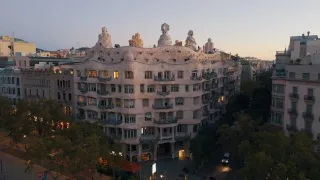
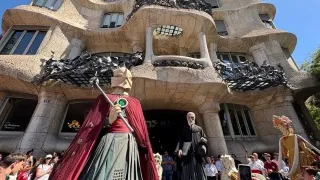
La Pedrera – Casa Milà
Popularly known as La Pedrera, Casa Milà holds a distinctive place among Barcelona’s cultural venues. A visit to Casa Milà offers an insight into both the characteristics of Gaudí’s architecture and his approach to housing and affluent life in the early 20th century.
La Pedrera also serves as a place of discovery, with a permanent exhibition dedicated to Gaudí’s work. In the building’s attic, the Espai Gaudí explores his career and architectural language through models, objects and audiovisual displays that help explain the structural and formal principles found throughout his work.
La Pedrera also regularly hosts temporary art exhibitions on the building’s principal floor, offering visitors the opportunity to explore more than its architecture.
Location: Passeig de Gràcia, 92
Check opening times
Buy tickets
Fundació Joan Miró
The Fundació Joan Miró is dedicated to the work and ideas of Joan Miró. Designed by Josep Lluís Sert, the building is an important example of modern Catalan architecture. The relationship between space and light is central to the institution’s approach, conceived to present both Miró’s work and that of other invited artists.
The collection explores different stages of Miró’s career through paintings, sculptures, drawings and other media, displayed both indoors and outdoors, with magnificent views over Barcelona.
Location: Parc de Montjuïc
Barcelona History Museum (MUHBA)
MUHBA offers a journey through the different periods of Barcelona’s history. Its main site, in Plaça del Rei, preserves archaeological remains of Roman Barcelona and allows visitors to walk through the ancient urban remains of what was once Barcino. The museum also encompasses several centres and heritage sites across the city, including the Temple of Augustus and the Roman Sepulchral Way.
Location: Main site in Plaça del Rei, in the Gothic Quarter, with other sites across the city.
A route through Barcelona’s museums
The variety of museums in Barcelona makes it possible to plan different cultural itineraries to suit your interests. The MNAC and the Fundació Joan Miró are particularly good places to discover Catalan art, while MACBA and Disseny Hub offer an introduction to contemporary creativity. If you are interested in architecture, a visit to La Pedrera – Casa Milà places Gaudí’s work within the wider context of Catalan Modernisme.
Alongside this variety of collections and art, the buildings that house these cultural venues have their own significance, with most forming part of Barcelona’s architectural heritage. Together, Barcelona’s museums offer different perspectives on the city’s history, art, design and architecture.
More news